Expert Perspectives on Industry Trends and Insights
Better Blog. Better Ideas. Better Business


 Top Blogs
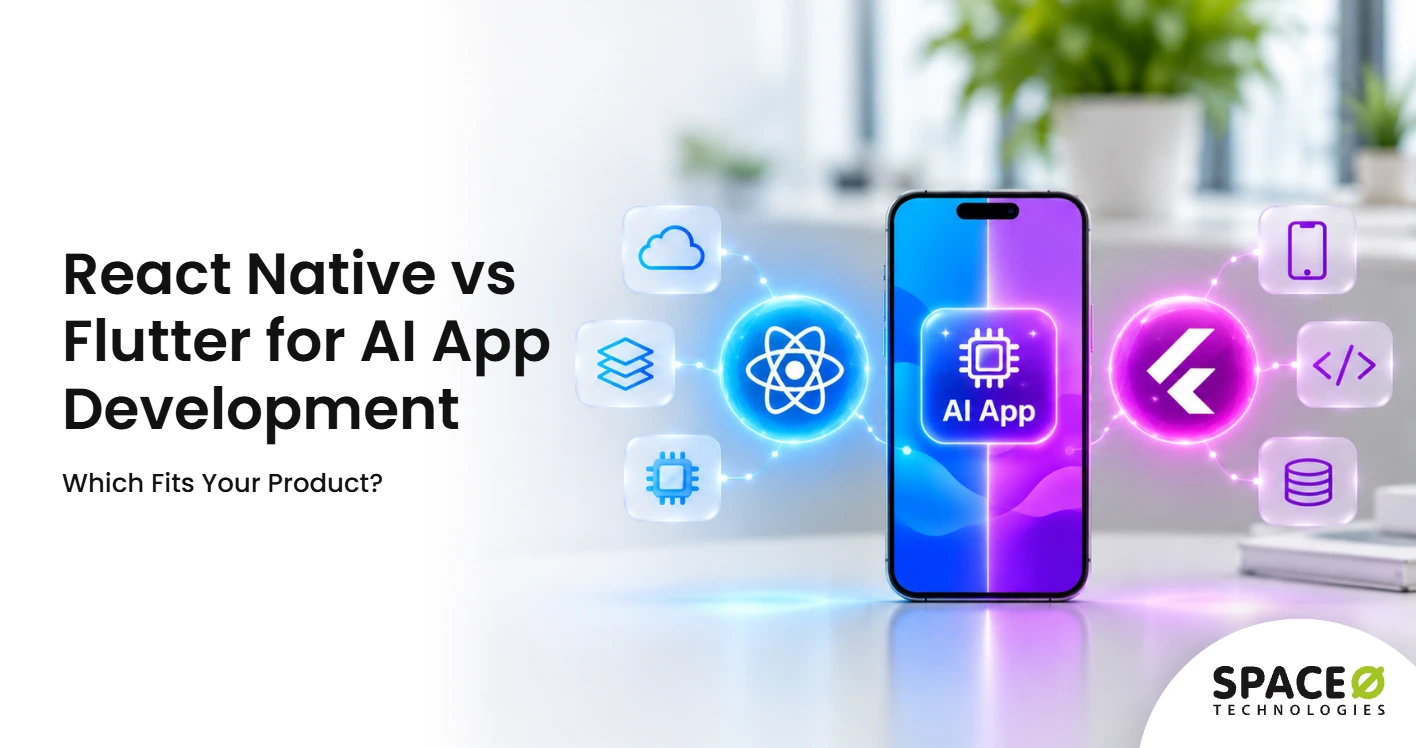
React Native fits cloud AI and TypeScript teams; Flutter fits on-device models and real-time UI. Compare hybrid builds, limits, and AI budgets.
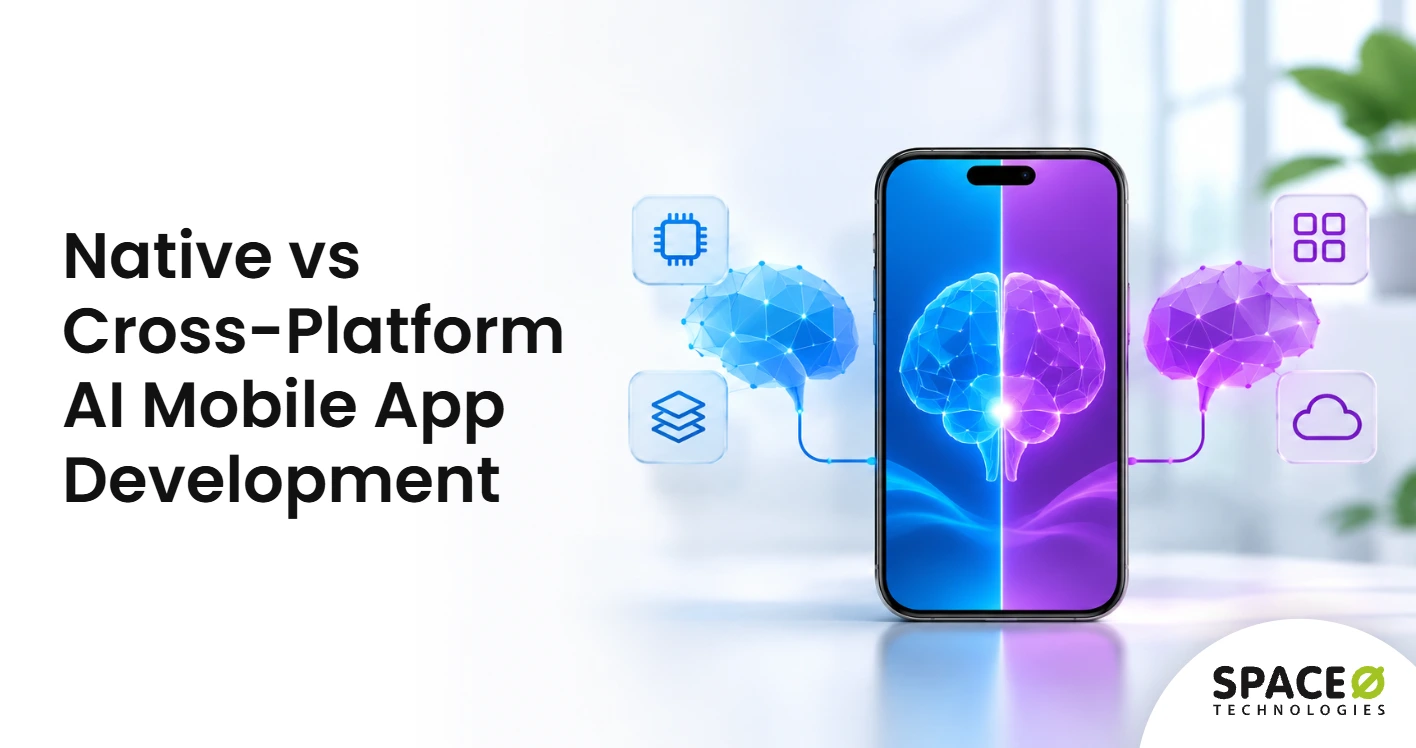
Native wins for heavy on-device AI; cross-platform for MVPs and cloud LLM apps. Compare cost, hardware access, and a hybrid path in one table.
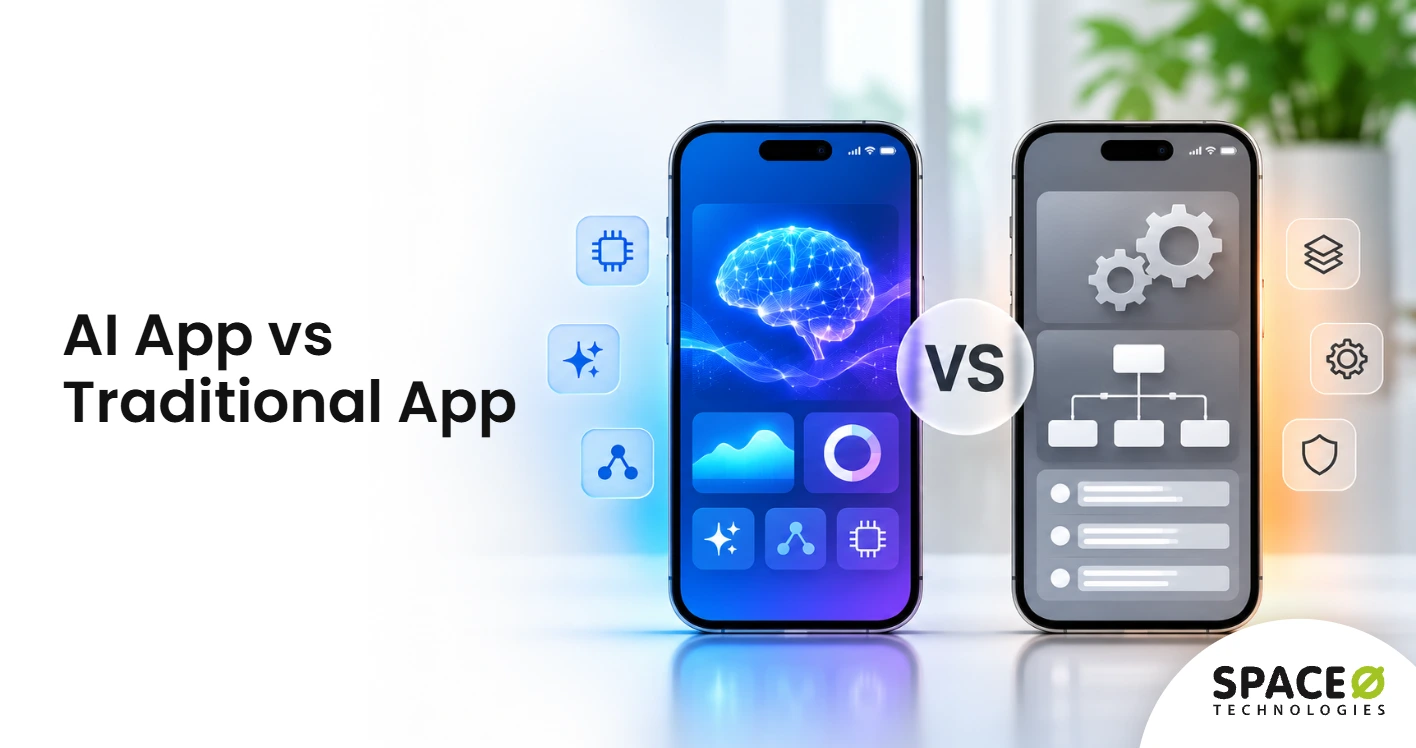
Traditional apps follow fixed rules; AI apps read unstructured data. Compare cost, risk, and enterprise fit, plus lifecycle costs most guides skip.
Data management for AI app development: five pillars, seven pipeline requirements, architecture trade-offs, and where the budget goes for U.S. teams.
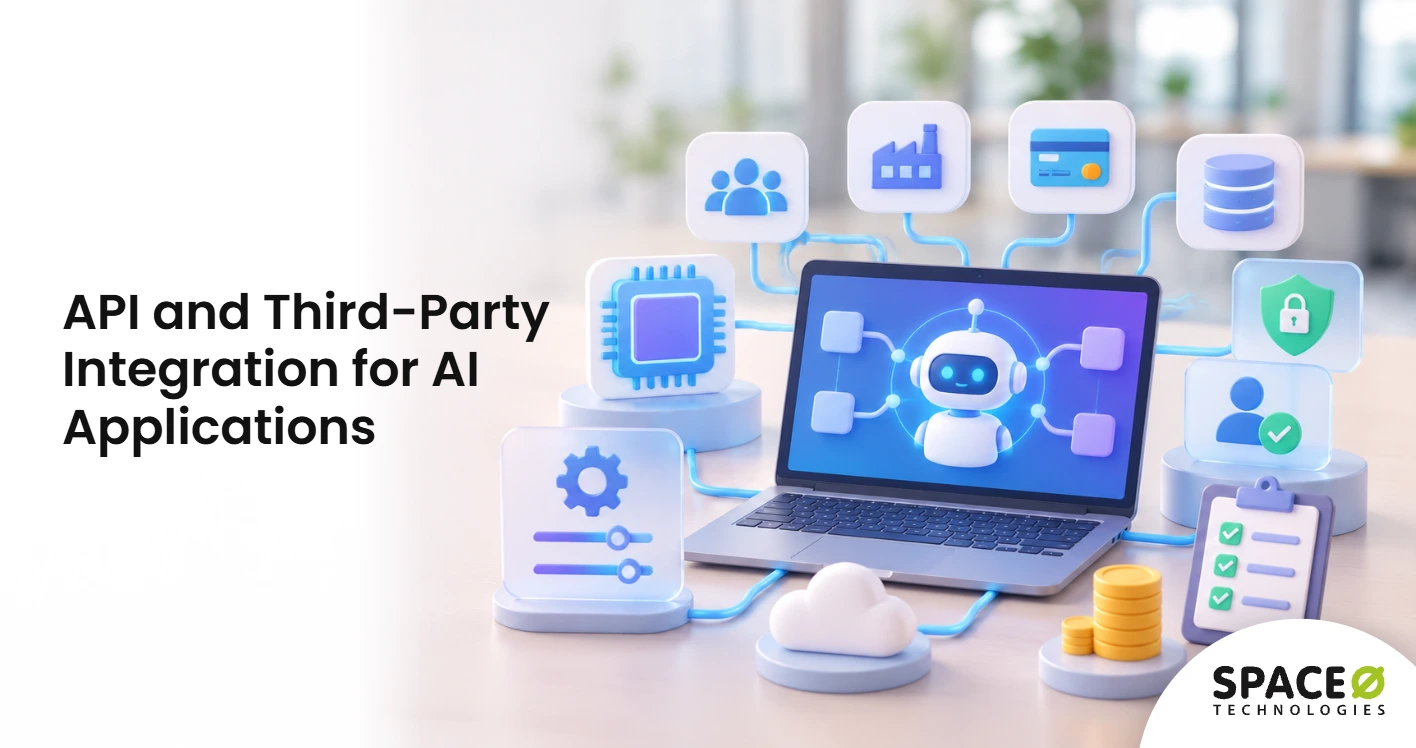
API and third-party integrations connect AI apps to CRMs, ERPs, and payments. See approaches, agent permissions, and reliability, then get an estimate.
We build custom recommendation engines for AI apps using collaborative, content-based, hybrid, and LLM models. Compare build vs. buy costs and ownership.

Mid-level AI agents run 30,000–150,000 as of Nov 2026. Get a line-itemized quote with build, token, hosting, and maintenance costs shown separately.

Hire AI agent developers as a dedicated team or a scoped build. See roles, stack, market rates, safeguards, and what you own at handover.
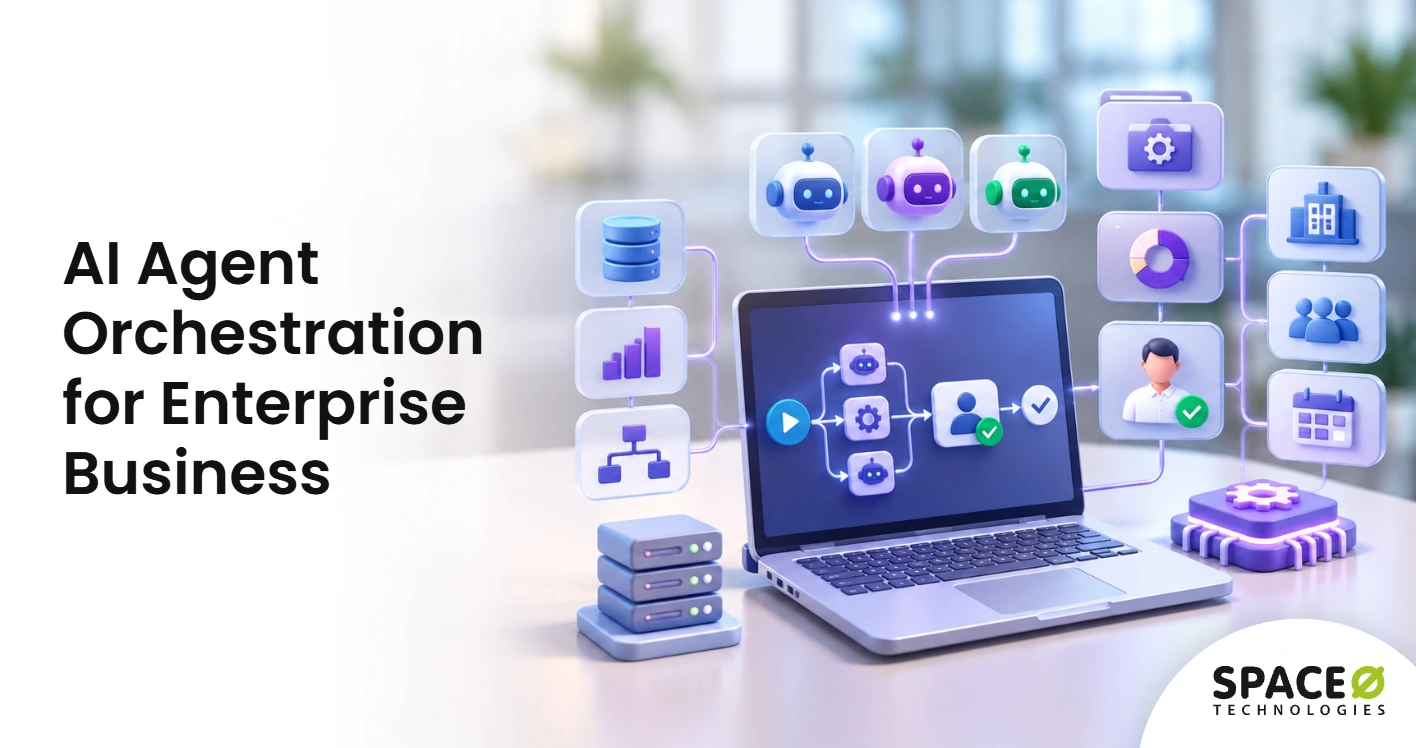
AI agent orchestration for enterprise coordinates specialized agents, systems, and human approvers. See five patterns, review gates, and build options.
An AI agent governance framework manages autonomous agents at runtime. Get 5 pillars, a 5-step roadmap, and an autonomy-tier control matrix.

On-device AI keeps data private and works offline; cloud AI runs larger models. Compare costs, hybrid routing, and a break-even formula for 2026.
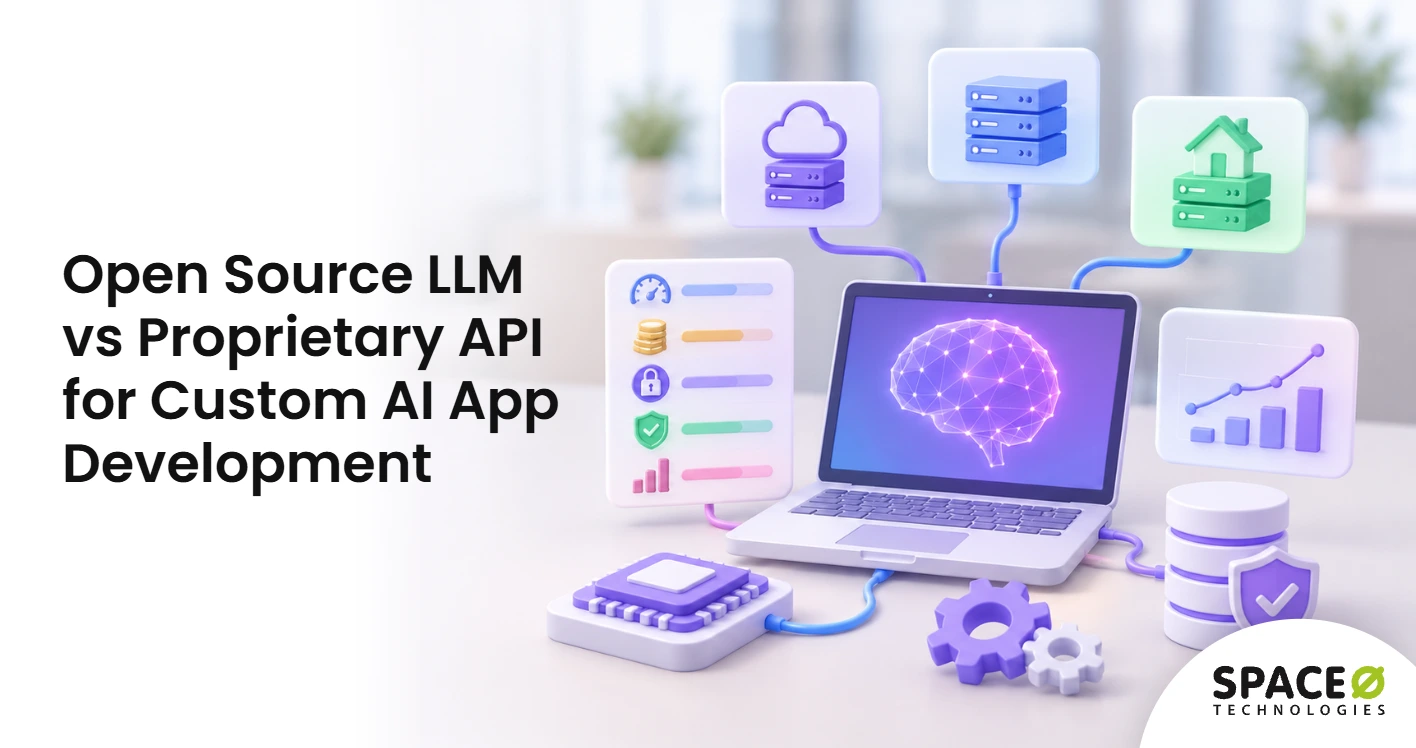
Proprietary APIs win on speed and reasoning; open-weight LLMs win on privacy and volume cost. See the side-by-side table and a worked break-even model.
Subscribe
Best Things Come to Those Who Subscribe
Your source for mobile app development news, updates, how-to’s,
and trends delivered daily to your inbox.


 All our projects are secured by NDA