
 By
By 
Financial technology (fintech) has transformed how people access and manage financial services. From digital wallets and neobanks to lending, investment, and insurance apps, businesses are rapidly launching new solutions, making fintech app development cost one of the first questions they need answered.
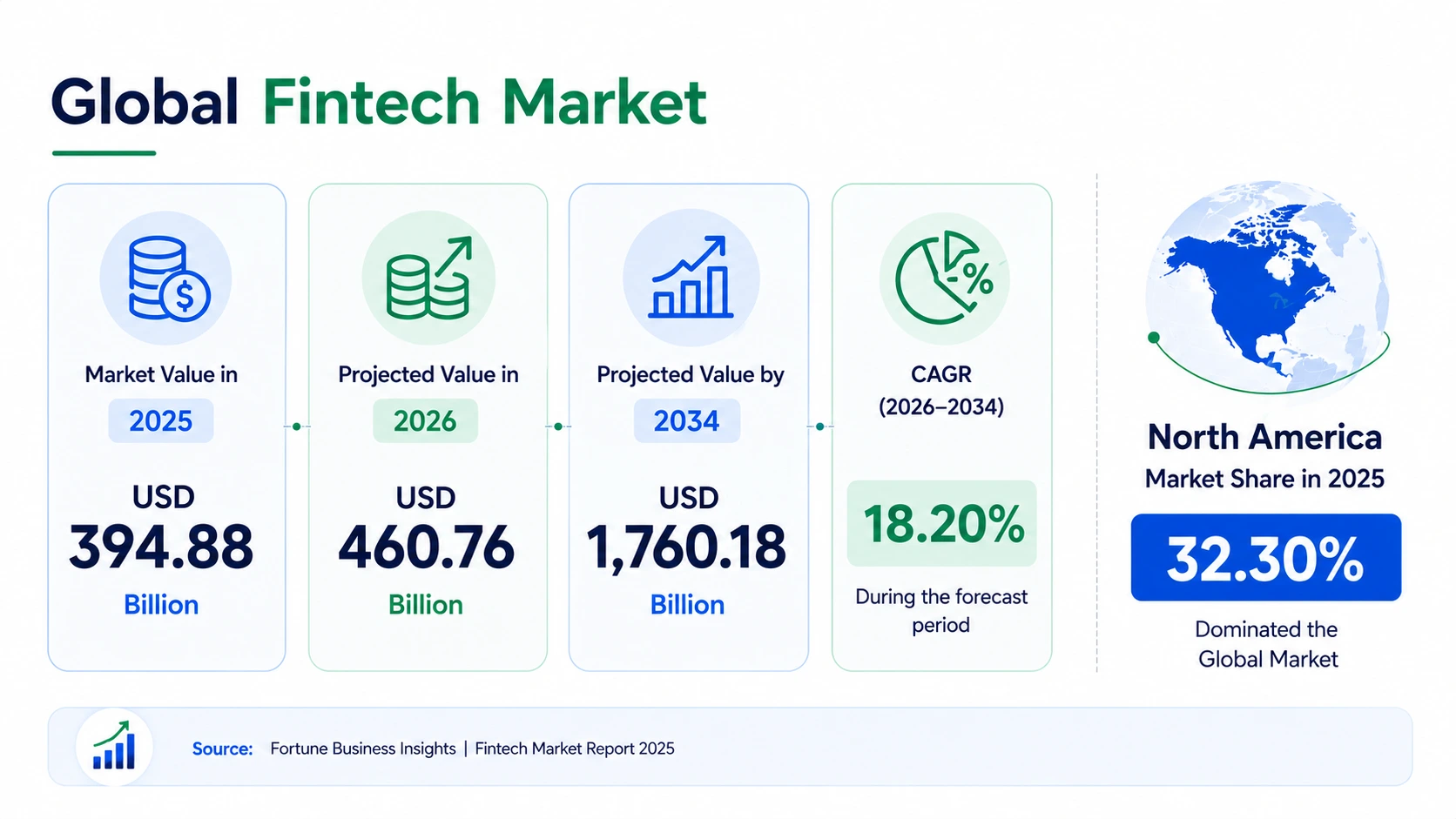
The opportunity continues to grow. According to Fortune Business Insights, the global fintech market was valued at USD 394.88 billion in 2025 and is projected to reach USD 460.76 billion in 2026 and USD 1,760.18 billion by 2034, growing at a CAGR of 18.20%. North America accounted for 32.30% of the global market in 2025, driving demand for fintech mobile app development services to help businesses build secure, compliant, and scalable financial applications.
The cost to build a fintech app varies widely based on the app type, features, security requirements, integrations, and compliance needs. If you’re still validating your idea, read our guide on fintech MVP development to learn how to build a compliant minimum viable product before investing in a full-scale fintech application.
This guide explains fintech app development costs by app type, complexity, development phase, team location, and ongoing maintenance, along with practical ways to optimize your budget.
Table of Contents
How Much Does Fintech App Development Cost?
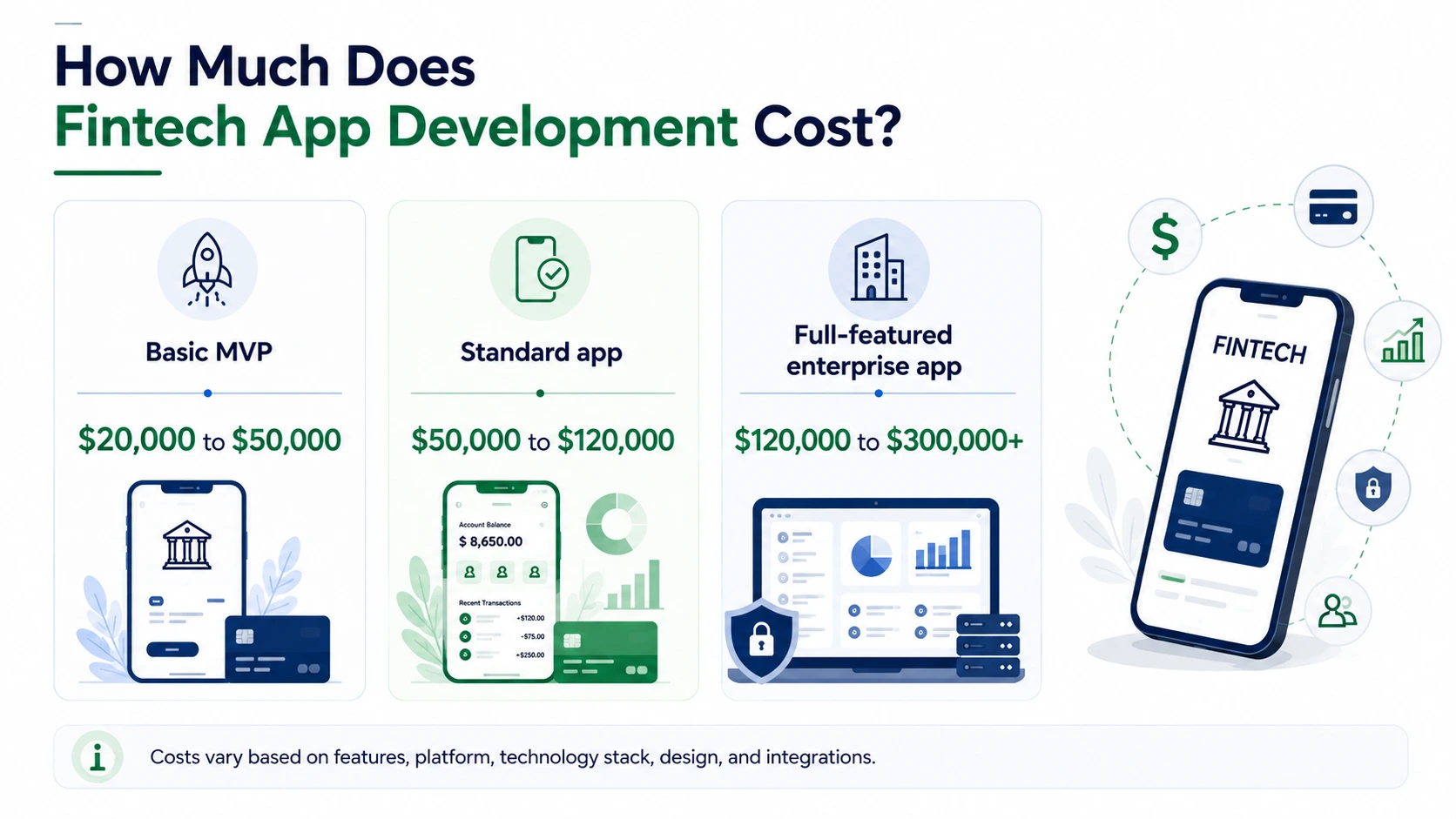
Fintech app development costs typically range from $20,000 to over $300,000, depending on the application’s complexity, feature set, security requirements, third-party integrations, and regulatory compliance. A basic fintech MVP generally costs $20,000–$50,000, a mid-level application ranges from $50,000–$120,000, while enterprise-grade solutions such as digital banks, stock trading platforms, or payment ecosystems can exceed $300,000.
So how much does it cost to build a fintech app in your case? Let’s look at cost estimates based on app complexity and the key factors influencing your development budget.
-
Basic MVP: $20,000 to $50,000
A Basic MVP is the leanest viable fintech product designed to prove your core concept and validate market demand. It’s a single-platform application with only essential features: one transaction type, a basic dashboard, and simple security.
Think of it as a proof-of-concept with real users, not a full product. The goal: get to market fast, collect user feedback, and validate demand before investing further. Understanding fintech MVP app development costs helps you plan realistic budgets for this stage.
Development timeline: 8 to 16 weeks (2-4 months)
Core capabilities of basic MVP
- Single-platform launch (iOS OR Android) with user registration and login
- One core transaction type (payment, transfer, or investment order)
- Basic account dashboard with balance, recent activity, and simple transaction history
- Simple payment processing integration (one processor like Stripe)
- Basic security (SSL/TLS encryption, password protection, basic 2FA)
- Manual admin tools and single-server database
Best use cases for basic MVP
- Idea validation: Prove the concept before fundraising. Example: P2P payment app testing if people want your payment model.
- Founder-led launch: Single founder or small team launching quickly with limited capital.
- Niche market entry: Targeting a specific user segment willing to use a basic product. Example: payment app for gig workers, budgeting app for college students.
- Bootstrap scenario: Limited budget ($25-50K), need to validate before seeking investment.
- First version before raising: Build MVP, get 1,000-5,000 users, then raise Series A with traction.
-
Standard app: $50,000 to $120,000
A Standard App is a production-ready fintech product with moderate complexity. It’s designed for real users, real money, and sustainable revenue. This tier includes multi-platform support (iOS + Android), basic compliance for regulated transactions, essential security like 2FA, and integration with payment processors. This is the most common tier for funded startups.
Development timeline: 20 to 32 weeks (5-8 months)
Core capabilities of the standard app
- Multi-platform launch (iOS and Android simultaneously) with advanced authentication (email, phone, social login, 2FA)
- 2–4 transaction types (transfers, payments, investments, bill pay) with a comprehensive dashboard and analytics
- KYC/AML compliance (identity verification, sanctions screening) and payment method management
- Notifications (push + in-app messaging) and integration with 2–3 third-party services
- Cloud infrastructure with load balancing, backups, and a basic admin dashboard
- Automated reporting and transaction categorization with encryption
Best use cases for a standard app
- Seed-funded startup ($100K–$500K): Company with capital, targeting 5K–50K users in first year. Example: fintech startup with angel funding launching Series A-ready product.
- Early revenue generation: The Product needs to make money from launch. Example: a lending platform earning origination fees, an investment app earning transaction fees.
- Multi-platform from day 1: The User base requires both iOS and Android simultaneously. Example: A payment app targeting both iPhone and Android users equally.
- Regulated transaction handling: Real money transfers require compliance and security from the start when you develop money transfer app solutions. Example: lending platform, cross-border payments, trading platform.
- Competitive market entry: Market is crowded; need a professional, feature-rich product to compete. Example: personal finance app.
-
Full-featured enterprise platform: $120,000 to $300,000+
A full-featured enterprise platform is a comprehensive fintech solution with advanced capabilities, enterprise-grade compliance, sophisticated security, and support for complex financial operations. This tier includes 3+ platforms (iOS, Android, Web), biometric authentication, machine learning, multi-jurisdiction compliance, and APIs for partnerships.
Development timeline: 32 to 56 weeks (8-14 months)
Core capabilities of a full-featured enterprise platform
- Multi-platform support (iOS, Android, Web, Desktop) with advanced authentication (biometric, hardware keys, MFA)
- 8-12+ transaction types with AI-powered fraud detection, recommendations, and robo-advisory
- Advanced compliance (SOC 2, GDPR, CCPA, multi-jurisdiction AML/KYC) and investment management suite
- API platform for third-party integrations, partnerships, and white-label ecosystem
- Microservices architecture handling 100K-1M+ concurrent users with continuous security monitoring
- Business intelligence dashboards, advanced admin suite, and real-time transaction processing
Best use cases for full-featured enterprise platform
- Series A+ funded company ($1M+ capital): Sufficient budget to build a production-grade platform. Example: fintech startup with $5M Series A funding.
- Scaling with 50K+ users: Product has traction; building for scale. Example: payment app grew to 100K users; now needs enterprise features.
- Regulated financial services: Requires enterprise compliance and security. Example: lending company, investment firm, digital bank startup.
- Complex financial operations: Product handles multiple asset types, advanced trading, or sophisticated underwriting. Example: robo-advisory platform, multi-asset investment platform.
- International/multi-jurisdiction: Operating across multiple countries with different regulations. Example: cross-border payment app, European fintech expanding globally.
- Platform/ecosystem play: Building a marketplace or API for partners. Example: a payments platform enabling third-party integrations, a lending marketplace.
Fintech app development costs range from $20,000 for basic MVPs to $300,000+ for enterprise platforms. The three tiers, Basic MVP, Standard App, and Full-Featured Enterprise Platform, each serve different business stages and budgets. Development timelines range from 2-4 months for MVPs to 8-14 months for enterprise platforms. Your cost to build fintech app solutions depends on which tier matches your current business stage.
Get a Clear Estimate for Your Fintech App
Estimate your development cost based on features, platforms, integrations, security requirements, compliance needs, and project complexity.

Key Factors That Influence Fintech App Development Cost
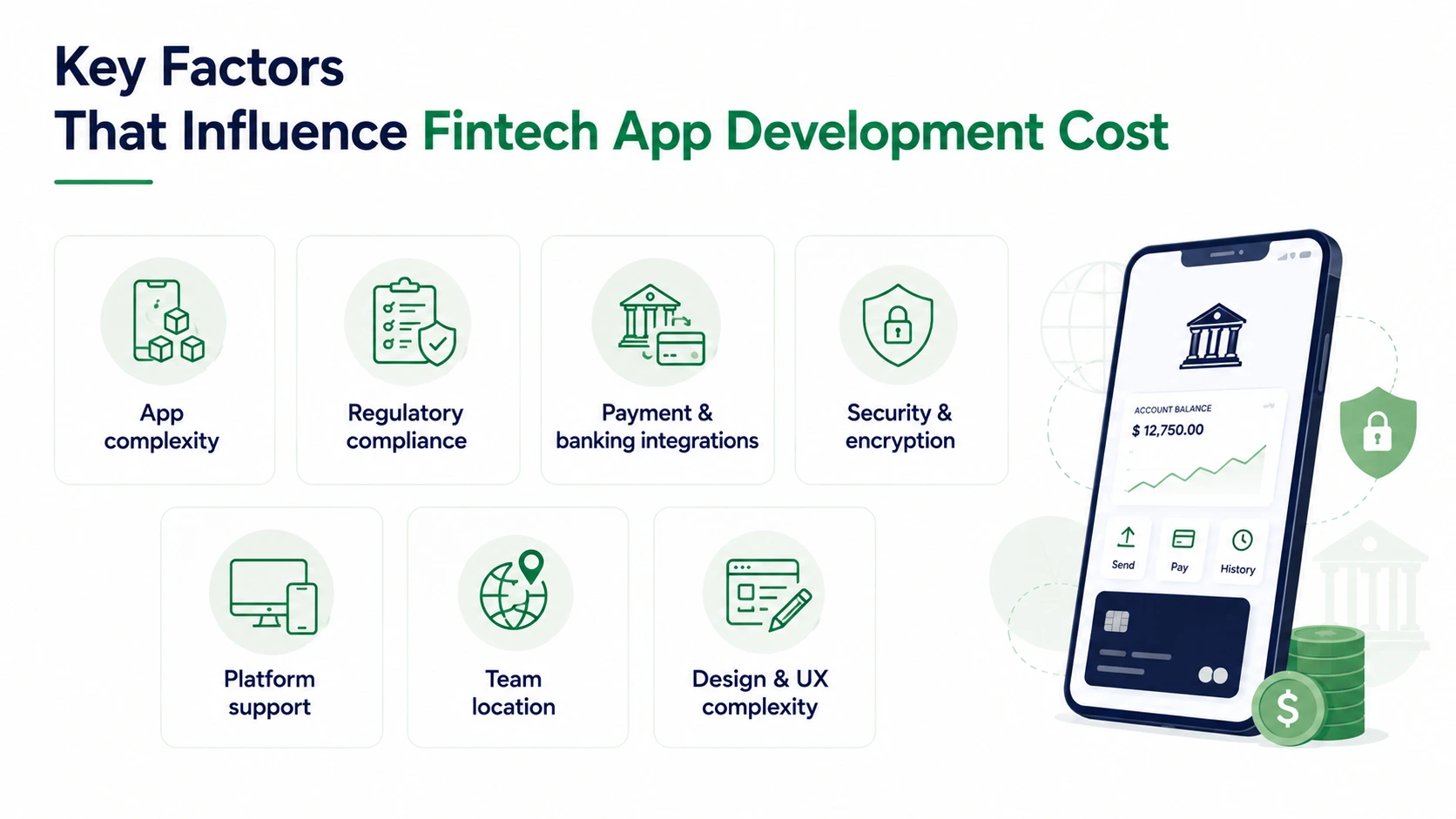
Several variables determine where your project falls within the cost spectrum. Understanding what drives mobile app development costs up or down helps you make informed decisions about where to invest your budget and where you might simplify. The seven factors below have the largest impact on your cost to develop fintech app products.
-
App complexity
Your feature scope is the single biggest cost driver. Simple apps solving one problem (budgeting, expense tracking) cost far less than multi-featured platforms, while medium complexity apps (payments, lending) require integrations and fraud detection. High complexity apps (trading, digital banking) demand real-time infrastructure and enterprise architecture.
-
Regulatory compliance
Regulatory scope drives this factor. Single-country consumer apps have minimal compliance needs, while multi-region support adds GDPR, KYC/AML requirements, and data residency rules. Seeking licenses or institutional partnerships requires a comprehensive compliance infrastructure and ongoing audits. Each jurisdiction has different requirements, and non-compliance carries serious penalties.
-
Payment & banking integrations
Simple payment processing through standard gateways is straightforward, but multi-gateway setups require coordinating between providers and implementing routing logic. Direct banking integrations pull real-time account data, while trading infrastructure needs market data feeds and order matching. Each tier adds architectural complexity and specialized expertise.
-
Security & encryption
Basic security covers encrypted connections and password storage, while medium security adds multi-factor authentication and API standards. Enterprise security implements zero-trust principles, biometric authentication, hardware security modules, and continuous threat monitoring. Your security approach dictates architecture decisions across the entire project.
-
Platform support
Developing for iOS alone sets your baseline, but adding Android multiplies costs because design guidelines, payment options, and testing differ significantly. Adding a web platform creates another layer with responsive design and separate testing. Each platform requires genuinely different work, not just code copying.
-
Team location
Developer rates vary dramatically by region, $150–$200/hour in North America versus $25–$50/hour in Asia for equivalent skills, meaning the same project costs 3X–8X more based purely on geographic location. Nearshore and hybrid teams balance time zone benefits with cost efficiency.
-
Design & UX complexity
Template design uses existing patterns and launches faster, while a custom design with user research creates intentional experiences but requires prototyping and testing. Enterprise design systems serve companies building multiple products or enabling white-label partners. Design investment directly impacts user retention and lifetime value.
The real cost isn’t one factor; it’s how they combine. A multi-country trading app costs exponentially more than a single-country budgeting tool because complexity layers multiply. Know which factors your app needs, cut the rest, and build in phases.
Fintech App Development Cost by App Type
Different fintech categories carry different regulatory loads, integration counts, and infrastructure demands. A personal finance app organizes data. A neobank moves regulated money and issues cards. The table below shows what each category costs at the MVP stage, at full platform scale, and how long a complete build takes.
| App Type | MVP Cost | Full Platform | Timeline (Full Build) | Primary Cost Driver |
|---|---|---|---|---|
| Banking app | $45,000 – $90,000 | $150,000 – $300,000+ | 10 – 14 months | Core banking API integration |
| Neobank app | $50,000 – $100,000 | $170,000 – $300,000+ | 11 – 14 months | Card issuance and BaaS setup |
| Payments and digital wallet | $25,000 – $60,000 | $90,000 – $220,000 | 7 – 11 months | PCI DSS and processor routing |
| Lending platform | $30,000 – $70,000 | $110,000 – $250,000 | 8 – 12 months | Credit scoring and underwriting |
| Investment and wealth management | $50,000 – $110,000 | $180,000 – $300,000+ | 11 – 14 months | Market data feeds and trading engine |
| Insurance app | $30,000 – $65,000 | $100,000 – $230,000 | 8 – 12 months | Claims workflow and policy engine |
| Personal finance app | $20,000 – $45,000 | $70,000 – $150,000 | 6 – 9 months | Account aggregation and categorization |
| Cryptocurrency app | $35,000 – $75,000 | $120,000 – $260,000 | 9 – 13 months | Wallet security and exchange connectivity |
Investment platforms, neobanks, and money lending apps generally require higher development costs because they must support real-time financial operations, strong security, regulatory compliance, and complex backend systems. Personal finance apps are comparatively less expensive as they mainly provide budgeting and expense-tracking features without processing regulated financial transactions.
Banking app development cost sits at the higher end, since core banking integration, card programs, and transaction monitoring each carry regulatory weight. A mobile banking app and a BNPL product share almost no backend, despite both sitting inside the same category.
Calculate the Cost of Your Fintech App
Get a more accurate budget based on your fintech app type, required features, integrations, technology stack, and development scope.
Fintech App Development Cost Breakdown by Phase
Breaking down costs by different phases of the app development process helps you understand where your investment goes throughout the project.
| Development Phase | Timeline | Typical Cost Range | % of Total Budget |
|---|---|---|---|
| Discovery and Scoping | 2–4 weeks | $5,000 – $15,000 | 5–10% |
| UI/UX Design | 4–6 weeks | $15,000 – $40,000 | 15–20% |
| Development and Testing | 12–24 weeks | $40,000 – $200,000 | 60–70% |
| Launch and DevOps | 1–2 weeks | $5,000 – $15,000 | 5–8% |
| Post-Launch Support | Ongoing | $8,000 – $30,000/year | 10–15% annually |
The discovery phase involves requirements gathering, competitive analysis, technical architecture planning, and creating detailed project specifications. While it represents a small percentage of your budget, thorough discovery work prevents expensive changes later in development.
Development and testing represent the largest portion of your budget. This is where developers write code, build features, and integrate third-party services, including both frontend (what users see) and backend (server, database, business logic) development, plus quality assurance testing throughout.
Technology Stack and Its Impact on Fintech App Development Cost
Your technology stack decides more than performance. It sets the hourly rate you pay, the size of your team, and your long-term maintenance bill. Two apps with identical feature lists can differ by $50,000 based on stack decisions alone.
Native vs. cross-platform development
Native iOS and Android builds need two codebases, two teams, and two testing cycles. Cross-platform frameworks like Flutter and React Native share most code across both platforms. Choose native when you need hardware-level security, deep biometric integration, or sub-second trade execution.
Cost impact: cross-platform reduces a two-platform build by 30% to 40%, or roughly $25,000 to $50,000.
Cloud infrastructure and database architecture
AWS, Azure, and Google Cloud all support fintech compliance workloads. The real cost difference sits in architecture, not vendor choice. A single-server PostgreSQL setup supports an MVP comfortably. Microservices with load balancing, read replicas, and multi-region failover add significant upfront engineering. CI/CD pipelines and automated deployment add setup cost but reduce release risk over time.
Cost impact: scalable architecture adds $20,000 to $40,000 upfront, and hosting moves from $500 to $3,000+ monthly.
Build vs. buy for identity and payments
Pre-built SDKs cover most compliance-heavy functions. Onfido and Jumio work as your identity verification API and KYC provider. Stripe, Adyen, and Plaid handle payments and bank account linking. Lending products also need a credit bureau API and an AML provider for sanctions screening. Building these in-house makes sense only when the logic is your competitive advantage.
Cost impact: custom identity or payment infrastructure adds $20,000 to $50,000 per component.
AI, machine learning, and blockchain layers
Fraud detection models, credit scoring engines, and robo-advisory logic need data pipelines, model training, and ongoing tuning. Blockchain adds wallet security, node infrastructure, and smart contract audits. Both extend timelines as well as budgets.
Cost impact: an AI or blockchain layer adds $30,000 to $60,000 to the project.
The cheapest stack is rarely the cheapest project. Retrofitting scalable architecture after launch costs two to three times more than building it correctly at the start. Experienced fintech app developers map every stack decision to your expected transaction volume and compliance scope during discovery. Space-O Technologies handles this mapping before a single feature is scoped.
Regional Developer Rates & Team Structure
The cost to hire app developers varies dramatically by location. A project requiring 1,000 hours could cost $150,000 with North American developers or $30,000 with an Asia-based team. Geographic location directly determines your project budget. Team location is often the single largest lever on the total cost to develop fintech app projects.
Developer rates by region
Where your developers are located directly impacts hourly costs. Rates reflect mid-to-senior level developers and vary based on local cost of living, market demand, and tech infrastructure maturity. Understanding these regional differences helps you allocate budget strategically.
| Region | Junior (0-2 yrs) | Mid-Level (3-5 yrs) | Senior (6+ yrs) | Specialists | Best For |
|---|---|---|---|---|---|
| North America | $35-$55 | $50-$90 | $70-$140 | $100-$160 | Complex regulatory work, compliance |
| Western Europe | $25-$40 | $40-$65 | $63-$95 | $80-$120 | GDPR/PSD2 compliance |
| Eastern Europe | $20-$35 | $35-$50 | $50-$85 | $70-$95 | Architecture, technical depth |
| Latin America | $18-$35 | $30-$50 | $40-$70 | $60-$90 | US companies, timezone overlap |
| Asia | $15-$25 | $25-$40 | $40-$60 | $50-$80 | Cost-sensitive, large-scale projects |
For a typical fintech project requiring 1,000 development hours, choosing Asia costs roughly 3.5X less than North America for equivalent skill levels. However, the lowest hourly rate doesn’t always mean the lowest total project cost when communication overhead and potential rework are factored in.
Team structure & costs
How you organize your team fundamentally impacts both your project cost and your ability to manage development. Each structure trades off between control, communication speed, and cost efficiency. Understanding these trade-offs helps you choose the model that aligns with your project needs and business model.
| Structure | Monthly Cost (5-Person Team) | Payment Model | Best For |
|---|---|---|---|
| In-House | $40K-$75K/month | Fixed salary + benefits + overhead | Ongoing projects, long-term control |
| Outsourcing | $20K-$40K/project | Pay per project, then done | One-time builds, well-scoped work |
| Nearshore | $8.75K-$17.5K/month | Hourly contract, business hours | US companies frequently collaborate |
| Hybrid | $15K-$25K/month | Lead salary + team hourly contracts | Complex projects needing fast decisions |
A typical fintech build needs a product manager, UI/UX designer, mobile developer, backend developer, QA engineer, and DevOps engineer. Larger projects add a business analyst and a solution architect.
In-house teams offer maximum control but carry fixed overhead (salaries, benefits, office, recruiting) regardless of project activity. An outsourced team minimizes ongoing costs but requires a clear scope upfront to avoid surprises. Hybrid models pair expensive leadership in your timezone with cost-effective execution teams elsewhere.
Choose regions based on project complexity. Complex regulatory fintech projects justify North American costs, while straightforward apps benefit from offshore efficiency. Most successful projects pair experienced leadership in your timezone with cost-effective execution teams elsewhere.
What Does Compliance and Security Cost in a Fintech App?
Financial app development carries compliance obligations that most other software categories do not. Compliance and security are mandatory costs that vary based on app type, target geography, and regulatory requirements.
Regulatory compliance requirements
Different regulations apply depending on your app’s functionality and user location. You need to identify which apply to your fintech app.
- KYC/AML (Know Your Customer & Anti-Money Laundering): Verifies user identities and monitors transactions. Required for payment, lending, and investment apps.
- PCI DSS (Payment Card Industry): Applies if you process credit card information. Most fintech apps use payment processors (Stripe, Square) that handle this instead of building it themselves.
- GDPR (Europe): Required if serving European users. Covers data privacy, user consent, and data deletion rights.
- CCPA (California): Governs payment initiation and account access. Required for open banking services in the EU and UK.
- SOC 2 (US & International): Demonstrates your organization has secure systems. Not mandatory, but often required by enterprise customers.
- PSD2 (Europe): Demonstrates your organization has secure systems. Not mandatory, but often required by enterprise customers.
- Licensing requirements:: Money transmission, lending, and broker-dealer licenses apply by jurisdiction and add legal cost before launch.
Security implementation features
Beyond regulatory compliance, you need to build security features to protect user data and prevent fraud.
- Two-Factor Authentication: $15,000–$20,000
- Biometric Authentication: $20,000–$30,000
- Data Encryption: $5,000–$10,000
- Advanced Fraud Detection and Risk Scoring: $30,000–$50,000
- Penetration Testing and Security Audits: $8,000–$25,000 per cycle
- Enterprise-Grade Security & Compliance: $40,000–$60,000
Compliance budget by development tier
- Tier 1 MVP: Minimal compliance. Basic security and KYC if handling money.
- Tier 2 Standard: Basic compliance including KYC/AML, 2FA, encryption, and regulatory framework.
- Tier 3 Enterprise: Advanced compliance with enterprise-grade security, multiple regulatory frameworks, and certifications.
Ongoing compliance costs
Compliance is ongoing, not a one-time expense. Plan for recurring monthly and annual costs, including:
- Infrastructure and hosting maintenance: $500–$3,000/month
- Security monitoring: $300–$1,500/month
- Compliance audits: $200–$1,000/month
- Bug fixes and security patches: $200–$800/month
- Third-party service licenses: $500–$5,000/month
Fraud prevention, secure API architecture, and data protection are non-negotiable investments. Most fintech founders underestimate the ongoing costs required to maintain compliance after launch. Using third-party services often reduces complexity and costs compared to building compliance from scratch.
Common Hidden Costs in Fintech Application Development
Most fintech founders budget for initial development but overlook the costs that emerge during or after launch. Understanding common hidden costs helps prevent project delays, budget overruns, and post-launch financial surprises. Answering how much does it cost to build a fintech app accurately means counting these expenses too.
-
Regulatory changes
Your annual budget may increase by 10% to 20% due to ongoing updates for evolving regulations such as CCPA, GDPR, and PCI-DSS. When regulations change mid-development or during testing, developers must adjust code, update documentation, and re-test features.
-
Third-party service fees
Payment gateways, KYC verification services, credit score checks, fraud detection systems, and banking APIs typically charge monthly or per-transaction fees starting at $500/month and scaling to $5,000+ as you grow.
-
Security certifications
The average price for SOC 2 certification has a starting range of anywhere from $10,000 to $100,000. Enterprise customers often require security certifications before partnership or integration.
-
Infrastructure & hosting scaling
Features like liveness detection may require servers with large processing capacities, which may be a substantial financial burden. Real-time data processing and user growth require infrastructure upgrades beyond initial estimates.
-
Scope creep
Poorly scoped projects usually lead to feature creep and skyrocketing costs. When requirements aren’t clearly defined upfront, stakeholders request additional features mid-development, adding 10–30% to total costs.
How to Develop a Fintech App?
Fintech development follows the standard software lifecycle with one difference. Compliance and security decisions happen at the start, not after the build. Retrofitting them later costs two to three times more. The six steps below show how experienced teams build fintech app platforms from requirement analysis through launch.
1. Requirement analysis and compliance mapping
Define your core transaction type, target regions, and applicable regulations before scoping features. This step determines your architecture and your budget ceiling.
2. UI/UX design and prototyping
Designers build wireframes, user flows, and clickable prototypes. Financial interfaces need clarity over decoration, since users are moving real money.
3. Architecture and tech stack selection
Your team picks the platform approach, backend framework, database structure, and hosting model. These choices set your cost per feature for the rest of the project.
4. Development and third-party integration
Frontend development and backend development run in parallel, then teams connect payment processors, banking APIs, and identity verification services. Integration work often takes longer than the features themselves.
5. QA testing and security validation
Testing covers functionality, performance, penetration resistance, and compliance verification. Security testing runs alongside development rather than at the end.
6. Deployment, monitoring, and iteration
The app goes live with monitoring, fraud alerts, and rollback capability in place. Post-launch updates respond to user behavior and regulatory changes.
For a detailed walkthrough of each stage, read our guide on how to build a fintech app.
Ready to Plan Your Fintech App Development?
Discuss your app idea with experts and get guidance on features, architecture, compliance, integrations, development timelines, and technology choices.
Must-Have Features in a Fintech App
Every fintech product needs a baseline set of features before it can handle real money. The list below covers what users expect and what regulators require.
- Secure onboarding and KYC verification: Users register, submit identity documents, and pass automated verification checks before transacting.
- Multi-factor authentication: Secure authentication combines password, biometric, and one-time-code layers against credential theft and unauthorized access.
- Account dashboard: Users see balances, budget tracking, and categorized transaction history in a single view.
- Core transaction processing: The app executes transfers, payments, or trades reliably with clear confirmation and failure handling.
- Payment method management: Users add, remove, and set default cards, bank accounts, or wallets securely.
- Real-time notifications: Push and in-app alerts confirm transactions, flag suspicious activity, and prompt required actions.
- Fraud detection and monitoring: Rules or models screen transactions for anomalies before funds move.
- Data encryption at rest and in transit: All sensitive data stays encrypted across storage, transmission, and backups.
- Admin panel and back-office tools: Your team manages users, reviews flagged transactions, and resolves disputes.
- Audit logging and reporting: Every action creates an audit trail for compliance reviews, dispute resolution, and regulatory reporting.
Skip any of these, and you either fail a compliance review or lose user trust after launch. Features like robo-advisory, multi-currency support, and open banking aggregation come later, once the core is stable. Skilled fintech app developers scope this baseline first, then layer advanced functionality once the product handles real transactions reliably.
How to Reduce Fintech App Development Costs
Reducing fintech app development costs doesn’t mean compromising on security, compliance, or performance. The key is to make strategic decisions early, prioritize high-impact features, and leverage proven technologies. Here are practical ways to optimize your budget while building a scalable fintech application. Each one lowers the cost to build a fintech app without weakening its foundation.
- Start with an MVP: Focus on one core financial service, such as payments, lending, or budgeting, and launch a minimum viable product first. Validating your idea before adding advanced features can reduce initial development costs by 60% to 70%.
- Use cross-platform development: Frameworks like Flutter and React Native allow you to build for iOS and Android using a single codebase. This approach can lower development costs by 30% to 40% compared to creating separate native apps.
- Integrate third-party APIs: Instead of building payment gateways, banking integrations, or identity verification systems from scratch, use trusted providers such as Stripe, Adyen, Plaid, Onfido, or Jumio. Pre-built APIs can save $20,000 to $50,000 per integration while accelerating time to market.
- Plan compliance from the beginning: Incorporate KYC, AML, PCI DSS, GDPR, and other regulatory requirements during the discovery phase. Addressing compliance early is significantly more cost-effective than redesigning the application after development.
- Partner with an experienced fintech development company: Working with a team that has expertise in fintech regulations, payment systems, and secure architectures reduces costly mistakes and shortens development timelines. Offshore or nearshore teams can also lower development costs by 40% to 60%.
- Follow an agile development approach: Building your app in iterative sprints helps identify technical issues and integration challenges early. Fixing problems during development is far less expensive than making changes after launch.
- Define detailed project requirements: A clear product roadmap, user stories, and acceptance criteria help prevent feature creep, one of the biggest causes of budget overruns. Well-defined requirements can eliminate unnecessary rework and keep the project on schedule.
- Launch on a single platform first: If your target audience primarily uses either iOS or Android, consider releasing on one platform before expanding to the other. This reduces upfront investment while allowing you to validate market demand.
The most affordable development strategy is not always the one with the lowest initial price. Skipping discovery, security testing, or regulatory planning often leads to expensive rework later. Investing in proper planning, scalable architecture, and compliance from the start helps minimize long-term development and maintenance costs while ensuring your fintech app is ready for growth.
Build Your Fintech App Within Your Budget
Outsource your fintech app project to Space-O Technologies and get high-quality, secure solutions delivered on time and within budget by our experienced fintech developers.
Why Build Your Fintech App with Space-O Technologies
Most fintech budgets break at the compliance layer, months after the estimate was signed. Space-O Technologies maps KYC, AML, PCI DSS, and GDPR requirements during discovery, so those costs sit in your first breakdown instead of arriving in month nine. It is the difference between a number you can defend and one you have to revise.
We have been building financial software since 2010, and our fintech work includes live payment products handling real transactions: an expense tracker, a Stripe-based mobile POS, and a multi-currency crypto wallet. Behind them is a 140+ developer in-house team working under ISO 9001 and ISO 27001 processes, which is part of why 97% of our clients continue past the first release. Clients partner with us to build fintech app platforms that pass compliance review the first time.
Explore our portfolio showcasing successful fintech apps we’ve delivered across different categories and market segments.
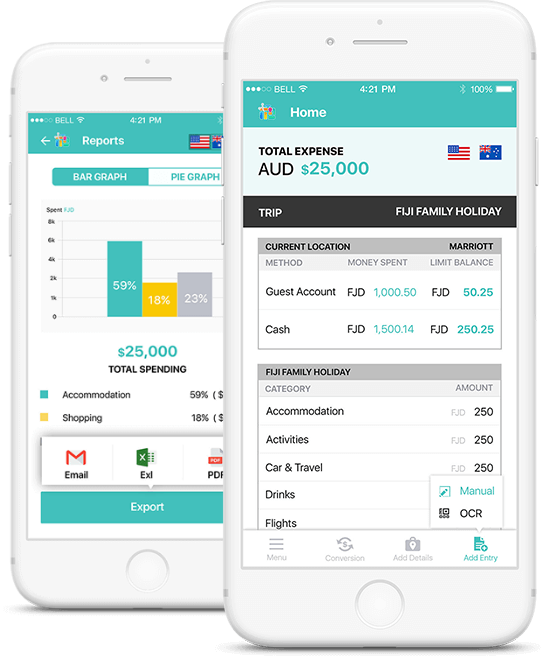
Travel Cutter – Expense Tracker App
Our team built Travel Cutter, a cross-platform iOS and Android expense tracker that helps travelers manage trip expenses with real-time currency conversion, budget alerts, expense reports, and intuitive financial tracking.
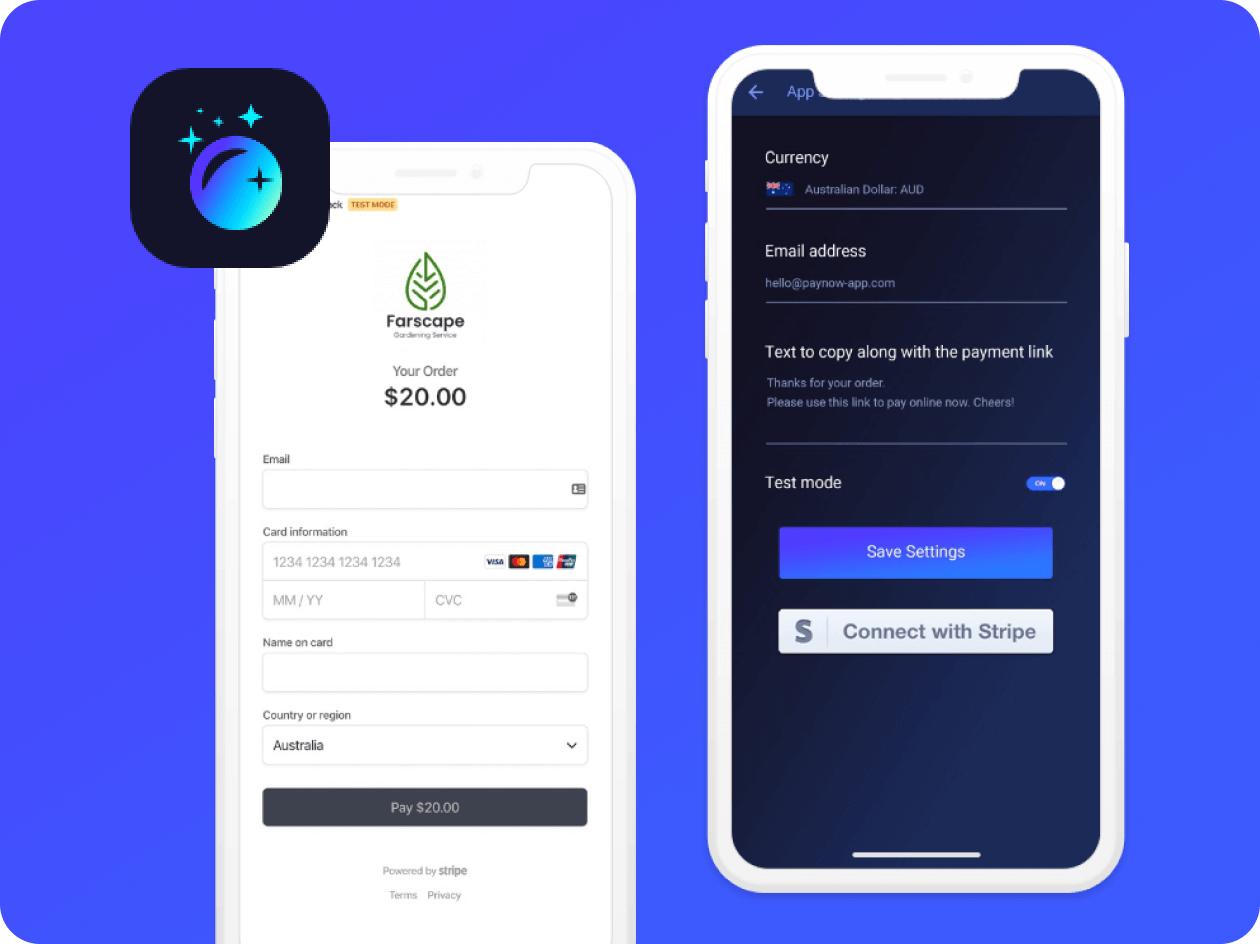
PayNow for Stripe – POS Development
We developed PayNow for Stripe, a cross-platform iOS and Android POS app that enables vendors and freelancers to accept secure payments via card scanning, NFC tap-to-pay, and Stripe integration without expensive hardware.
Swipe – Multi-Currency Wallet App
Our team built Swipe, a multi-currency and cryptocurrency wallet app that lets users send, receive, and exchange fiat and crypto assets with real-time balance tracking, seamless top-ups, and low-fee conversions.

We help startups enter fintech markets, entrepreneurs validate their ideas, and established financial institutions expand digitally. Contact our experts today for a free consultation and a detailed fintech development app estimate for your project.
Build Your Fintech App With a Clear Budget
Get a detailed estimate covering development, integrations, security, compliance, technology, timeline, and ongoing maintenance costs.
Frequently Asked Questions
What are the main features of a fintech app?
Every fintech app needs secure onboarding with KYC verification, multi-factor authentication, an account dashboard, core transaction processing, and encrypted data storage. Before launch, it should also include real-time notifications, fraud monitoring, an admin panel, and audit logging. Advanced features such as robo-advisory, multi-currency support, and open banking aggregation are typically added after the core product is stable.
How long does it take to develop a fintech app?
A fintech MVP typically takes 8 to 16 weeks to build, while a production-ready application requires 20 to 32 weeks. Enterprise-grade fintech platforms with complex integrations and compliance requirements usually take 32 to 56 weeks. Banking app development cost and timeline both run higher than personal finance apps, since core banking integrations and market data connectivity add significant engineering work.
What factors affect fintech app development cost?
Fintech app development costs depend on app complexity, regulatory compliance requirements, payment and banking integrations, security implementation, supported platforms, development team location, and UI/UX design scope. These factors work together, with team location alone potentially creating a three- to eight-fold difference in total project cost.
Why do integrations make fintech apps expensive?
Every third-party integration increases engineering effort, testing requirements, ongoing maintenance, and recurring subscription costs. Payment gateway integrations generally cost between $5,000 and $20,000, while open banking APIs such as Plaid or TrueLayer typically require $10,000 to $30,000. KYC providers also charge recurring verification fees after launch.
What are compliance requirements in fintech apps?
Most fintech applications require KYC and AML verification, PCI DSS compliance for card payments, GDPR compliance for European users, and CCPA compliance for California residents. SOC 2 certification is often required by enterprise partners. Compliance typically adds 20% to 40% to development costs and continues through annual audits and recertification.
How do startups budget for fintech product development?
Successful fintech startups budget based on business stage rather than feature count. Validation-stage products typically require $20,000 to $50,000, funded startup launches range from $50,000 to $120,000, and scaling platforms often exceed $120,000. Businesses should also reserve an additional 15% to 20% of the initial development cost annually for maintenance, hosting, and compliance. Request a fintech development app estimate broken down by phase before committing to a final budget.
How can I reduce fintech app development cost?
You can reduce fintech app development costs by launching a focused MVP, using cross-platform frameworks such as Flutter or React Native, integrating pre-built compliance solutions, and planning regulatory requirements from the beginning. Cross-platform development can reduce development costs by 30% to 40%, while using ready-made KYC and payment SDKs is significantly more cost-effective than building custom infrastructure.
Can AI build a fintech app?
AI can accelerate software development by assisting with code generation, testing, documentation, and repetitive development tasks. However, it cannot independently build a compliant, production-ready fintech application. Human expertise is still required for regulatory compliance, security architecture, KYC implementation, risk management, and production deployment.



 All our projects are secured by NDA




 4.8
4.8