
 By
By 
Contents
Remote patient monitoring has become a critical capability for healthcare providers and digital health companies looking to deliver continuous, data-driven care beyond traditional clinical settings.
As RPM adoption grows, organizations are increasingly seeking experienced development partners who can build secure, scalable, and compliant remote patient monitoring solutions.
However, not all remote patient monitoring development companies offer the same level of healthcare expertise, technical depth, or delivery reliability. Choosing the right RPM development partner requires careful evaluation of experience, service offerings, compliance readiness, and the ability to support long-term product growth.
This blog covers a curated list of the top 10 remote patient monitoring development companies. Compare the top RPM software development companies based on their capabilities, strengths, pricing, and ratings to find the right remote patient monitoring development partner.
How We Selected These Remote Patient Monitoring Development Companies
To identify the most reliable development partners for building remote patient monitoring software, we evaluated over 100 healthcare software development firms with proven experience in remote patient monitoring solutions. Our selection was based on the following methodology for shortlisting companies:
- Clutch Ratings and Verified Healthcare Reviews: We prioritized companies with Clutch ratings of 4.7 or higher. Verified client feedback from hospitals, digital health startups, and healthcare enterprises validated delivery quality and technical reliability.
- Remote Patient Monitoring Expertise: Each company was evaluated on its hands-on experience building RPM platforms, including wearable integration, real-time vitals tracking, alerts, dashboards, and patient engagement features.
- Healthcare Compliance and Data Security: RPM platforms must meet HIPAA, HITECH, GDPR, and regional healthcare regulations. We assessed security frameworks, encryption standards, audit readiness, and support for Business Associate Agreements (BAAs).
- Healthcare Software Development Experience: Firms with over a decade of healthcare development experience were preferred, as they demonstrate a strong understanding of clinical workflows, care pathways, and regulatory complexity.
- Technical Capabilities: We reviewed expertise in IoT and medical device integration, HL7 FHIR interoperability, cloud infrastructure, AI-driven analytics, mobile app development, and EHR/EMR connectivity.
- End-to-End RPM Development Services
Selected companies provide complete lifecycle services—from product strategy and UX design to development, device integration, deployment, and post-launch support. - Proven Clinical and Business Outcomes: We analyzed case studies showcasing measurable improvements in patient engagement, care efficiency, chronic disease management, and remote care scalability.
- Scalability and Global Delivery Models: The final list includes companies capable of supporting small practices, large hospitals, and global healthcare organizations with flexible engagement models.
This rigorous evaluation helped us identify the 10 most trusted remote patient monitoring development companies in the market today.
A Quick Look at the Top Remote Patient Monitoring Development Companies
Explore this comparison table of leading remote patient monitoring development companies to quickly assess their healthcare expertise, compliance readiness, device integration capabilities, and RPM platform specialization.
| Company | Clutch Rating | Hourly Rate | Founded | Location |
|---|---|---|---|---|
 Space-O Technologies | 4.8/5 | $25 – $49 / hr | 2010 | USA |
 BairesDev | 4.9/5 | $50 – $99 / hr | 2009 | USA |
 Classic Informatics | 4.9/5 | $25 – $49 / hr | 2002 | India |
 Appinventiv | 4.6/5 | $25 – $49 / hr | 2014 | USA |
 Glorium Technologies | 4.8/5 | $50 – $99 / hr | 2010 | USA |
 ScienceSoft | 4.8/5 | $50 – $99 / hr | 1989 | USA |
 eClinicalWorks | NA | Undisclosed | 2017 | USA |
 Itransition | 4.9/5 | $25 – $49 / hr | 1998 | USA |
 Bitcot | 4.8/5 | $25 – $49 / hr | 2011 | USA |
 Daffodil Software | 4.6/5 | $25 – $49 / hr | 1999 | India |
Now explore each company’s remote patient monitoring expertise, healthcare experience, and unique value proposition that sets them apart in delivering scalable, compliant RPM solutions.
Explore Why 1,200+ Clients Trust Space-O Technologies for Their Development Projects
With 15+ years of healthcare software development experience and 300+ software projects delivered, Space-O Technologies helps you build secure and scalable RPM platforms.

Top 10 Remote Patient Monitoring Development Companies
1. Space-O Technologies
| Company Overview | Details |
| Hourly Rate | $25-$49/hr |
| Clutch Rating | 4.8/5 |
| Minimum Project Size | $10,000 |
| Founded Year | 2010 |
| Notable Clients | Nike, McAfee, SAINTGOBAIN |
Space-O Technologies is a globally recognized healthcare software development company with over 15 years of experience building secure, scalable, and compliance-ready RPM platforms for modern healthcare delivery.
The company has successfully delivered 300+ healthcare software solutions for more than 1,200 clients worldwide. Space-O Technologies supports healthcare providers, digital health startups, and enterprises across North America, Europe, Asia Pacific, and the Middle East with advanced remote care solutions.
As a trusted RPM software development partner, Space-O Technologies adheres to ISO 27001:2022 standards and embeds HIPAA and data security compliance throughout the development lifecycle. Their teams leverage AI, IoT, and real-time analytics to enable proactive patient monitoring and clinical decision-making.
Healthcare organizations hire RPM developers from Space-O Technologies to build end-to-end remote patient monitoring systems that include wearable integration, real-time vitals tracking, alert management, clinician dashboards, and seamless EHR connectivity.
Core capabilities
- Remote Patient Monitoring Strategy Consulting: Clinical workflow analysis, RPM use-case validation, compliance readiness assessment, device selection guidance, and scalable platform architecture planning.
- Healthcare UI/UX Design: Patient- and clinician-focused UX research, intuitive dashboards, accessibility-compliant designs, and responsive interfaces optimized for continuous monitoring experiences.
- Custom RPM Platform Development: Full-cycle development of HIPAA-compliant RPM platforms with real-time data processing, role-based access control, and cloud-native architecture.
- Medical Device & Wearable Integration: Integration of FDA-approved devices, IoT sensors, and wearables for monitoring vitals such as heart rate, blood pressure, glucose levels, and oxygen saturation.
- Mobile RPM Applications: Native iOS and Android apps enabling patients to submit vitals, receive alerts, and communicate with care teams from anywhere.
- Healthcare Integration Services: HL7 FHIR implementation, SMART on FHIR development, secure APIs, and seamless integration with EHR/EMR systems like Epic, Cerner, and Meditech.
- Data Analytics & AI Enablement: AI-powered insights, predictive analytics, automated alerts, and population health dashboards to support proactive care management.
- Quality Assurance & Compliance Validation: Extensive functional testing, device data accuracy validation, performance testing, security audits, and regulatory compliance checks.
- Ongoing Maintenance & Support: Continuous monitoring, device firmware updates, performance optimization, feature enhancements, and long-term technical support.
Remote patient monitoring solutions developed by Space-O Technologies
Conduet-Med
A cloud-based healthcare platform that enables concierge patients to connect with certified healthcare professionals. The solution supports virtual consultations, secure messaging, and continuous health monitoring.
Learn More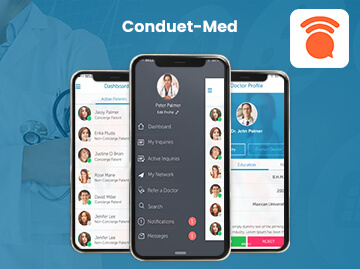
FIYA Digital Workout Solution
FIYA helps users stay active with guided training programs, instructional videos, and easy-to-use workout tracking features.
Learn More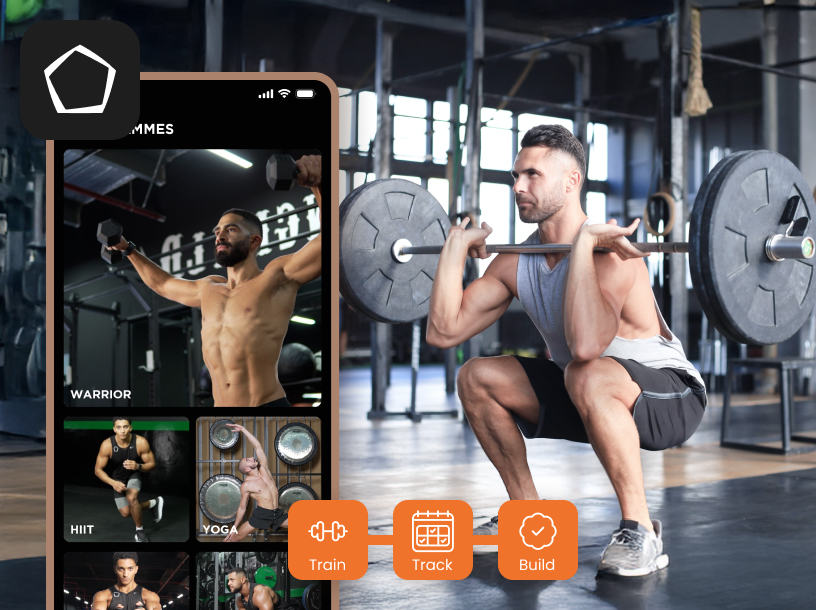
Build Your Remote Patient Monitoring Solution with Space-O Technologies
Get expert guidance on RPM software architecture, integrations, and compliance from a development team trusted by 1,200+ clients globally.
2. BairesDev
| Company Overview | Details |
| Hourly Rate | $50-$99/hr |
| Clutch Rating | 4.9/5 |
| Minimum Project Size | $50,000+ |
| Founded Year | 2009 |
| Notable Clients | Abbott, GRAINGER, Autodesk |
BairesDev is recognized as one of the leading remote patient monitoring development companies worldwide. Founded in 2009, the company primarily partners with North American healthcare organizations to build custom RPM platforms that support continuous, data-driven care delivery.
Their remote patient monitoring development services include real-time vitals tracking, wearable and medical device integration, patient and clinician dashboards, automated alerts, and EHR-integrated data flows. BairesDev delivers HIPAA-compliant RPM solutions aligned with interoperability standards such as HL7 and FHIR, ensuring secure and connected remote care ecosystems. The company offers flexible engagement models, including staff augmentation, dedicated RPM development teams, and full-cycle RPM platform development.
BairesDev focuses on supporting small to mid-sized healthcare providers with scalable remote monitoring solutions that enhance patient outcomes, improve care coordination, and streamline clinical workflows.
3. Classic Informatics
| Company Overview | Details |
| Hourly Rate | $25 – $49 / hr |
| Clutch Rating | 4.9/5 |
| Minimum Project Size | $10,000+ |
| Founded Year | 2002 |
| Notable Clients | MarketMeter, Interdent, Hubbed |
Classic Informatics provides specialized remote patient monitoring software development services for healthcare organizations adopting continuous, technology-enabled care models. The company has delivered over 2,500 digital solutions for 500+ clients across 30+ countries, demonstrating strong expertise in scalable healthcare platforms.
Their RPM capabilities include real-time patient vitals monitoring, medical device and wearable integration, clinician dashboards, alert management systems, and secure data transmission workflows. Classic Informatics builds HIPAA-compliant RPM solutions with enterprise-grade security, supporting healthcare providers in executing long-term digital and remote care transformation initiatives.
The company places a strong emphasis on user-centric design to ensure high adoption among both patients and care teams. Their AI-driven RPM offerings incorporate intelligent alerts, predictive risk detection, automated care workflows, and conversational interfaces to improve patient adherence, optimize clinical efficiency, and enable proactive healthcare delivery.
4. Appinventiv
| Company Overview | Details |
| Hourly Rate | $25 – $49 / hr |
| Clutch Rating | 4.6/5 |
| Minimum Project Size | $50,000+ |
| Founded Year | 2014 |
| Notable Clients | KFC, IKEA, Adidas, KPMG |
Appinventiv is among the prominent remote patient monitoring development companies with strong expertise in building scalable digital health and remote care solutions.The company has delivered 3,000+ technology solutions across 35+ industries and is recognized as a Clutch Global Award 2025 winner and one of the Top 100 Fastest-Growing Companies.
They specialize in developing remote patient monitoring platforms, telehealth systems, and mobile health applications for hospitals, clinics, and digital health startups. Appinventiv’s healthcare teams design and deliver HIPAA- and GDPR-compliant RPM solutions aligned with healthcare interoperability standards, including HL7 and FHIR.
Appinventiv emphasizes intuitive user experiences that drive patient adherence and clinician efficiency in remote monitoring programs. Their end-to-end RPM development services cover product strategy, UI/UX design, device integration, platform development, deployment, and post-launch optimization to support long-term scalability.
5. Glorium Technologies
| Company Overview | Details |
| Hourly Rate | $50 – $99 / hr |
| Clutch Rating | 4.8/5 |
| Minimum Project Size | $25,000+ |
| Founded Year | 2010 |
| Notable Clients | TurtleHealth, Liberkeys, Vitalware |
Glorium Technologies stands out among healthcare-focused remote patient monitoring development companies, offering advanced software solutions for digital health and life sciences organizations. Their expertise includes building remote patient monitoring platforms, telehealth systems, and connected healthcare solutions that enable continuous care delivery.
The company develops remote patient monitoring solutions, including real-time patient monitoring applications, clinician dashboards, and integrations with FDA-approved medical devices and wearables. Glorium Technologies ensures HIPAA compliance and strong healthcare data security across every stage of development.
Glorium Technologies works with healthcare startups, medical device manufacturers, and established health systems. They offer flexible engagement models, including dedicated remote patient monitoring development teams and project-based delivery, making them suitable for rapid MVP development and scaling existing monitoring platforms.
6. ScienceSoft
| Company Overview | Details |
| Hourly Rate | $50 – $99 / hr |
| Clutch Rating | 4.8/5 |
| Minimum Project Size | $5,000+ |
| Founded Year | 1989 |
| Notable Clients | Walmart, eBay, IBM |
ScienceSoft brings more than 35 years of IT experience with a dedicated healthcare software division focused on remote patient monitoring solutions. The company develops remote patient monitoring platforms, healthcare analytics systems, and connected care applications that support continuous patient monitoring.
Their remote patient monitoring solutions include real-time vital sign tracking, patient and clinician dashboards, alert management, and secure data exchange with clinical systems. ScienceSoft holds ISO 9001 and ISO 27001 certifications, reflecting a strong commitment to quality management and data security.
ScienceSoft specializes in integrating remote patient monitoring platforms with existing healthcare infrastructure. They support healthcare organizations worldwide through custom development and healthcare IT consulting services. Their deep experience with EHR connectivity makes them well-suited for integrations with Epic, Cerner, Meditech, and other major clinical platforms.
7. eClinicalWorks
| Company Overview | Details |
| Hourly Rate | Undisclosed |
| Clutch Rating | NA |
| Minimum Project Size | Undisclosed |
| Founded Year | 2017 |
| Notable Clients | HCA Healthcare, Humana, Ascension |
eClinicalWorks is a major healthcare IT company delivering remote patient monitoring capabilities as part of its broader digital health ecosystem. The company supports more than 850,000 medical professionals across over 110,000 healthcare facilities in the United States.
Their remote patient monitoring offerings integrate closely with the eClinicalWorks electronic health record platform and the Healow digital health ecosystem. These solutions enable continuous patient data collection, vital sign monitoring, appointment coordination, and secure patient-provider communication through a unified cloud-based platform. eClinicalWorks maintains ONC ATCB certification across its health IT solutions.
The company enhances its remote patient monitoring capabilities with AI-powered tools, including Sunoh AI Medical Scribe technology and Healow Genie contact center solutions. These tools improve patient communication, support care teams, reduce administrative workload, and enable scalable remote care delivery.
8. Itransition
| Company Overview | Details |
| Hourly Rate | $25-$49/hr |
| Clutch Rating | 4.9/5 |
| Minimum Project Size | $25,000+ |
| Founded Year | 1998 |
| Notable Clients | eBay, BundleTech, PHILIPS |
Itransition is a global software development company with deep healthcare industry expertise, founded in 1998. The company was recognized as Best Software Development Company 2024 by Clutch and operates across the United States, the United Kingdom, and Poland.
Itransition develops custom remote patient monitoring platforms, connected care systems, and healthcare data management solutions. Their remote patient monitoring offerings support care coordination, continuous health tracking, secure patient-provider communication, and clinician-facing dashboards.
The company maintains compliance with HIPAA, GDPR, PIPEDA, and HL7 FHIR interoperability standards. Itransition specializes in complex healthcare integrations and enterprise-scale implementations, making them a strong partner for organizations requiring advanced technical capabilities and regulatory expertise.
9. Bitcot
| Company Overview | Details |
| Hourly Rate | $25-$49/hr |
| Clutch Rating | 4.8/5 |
| Minimum Project Size | $10,000+ |
| Founded Year | 2011 |
| Notable Clients | Broadcom, Siemens, NETGEAR |
Bitcot stands out among remote patient monitoring development companies founded in 2011, delivering solutions from its San Diego headquarters with global research and development support. The company delivers custom remote patient monitoring solutions for healthcare providers and digital health organizations.
Their remote patient monitoring development services include real-time patient data collection, integration with medical devices and wearables, clinician dashboards, alert management, and EHR-connected monitoring workflows. Bitcot builds compliant solutions aligned with HIPAA, GDPR, DICOM, FHIR, ICD 10, and CPT standards to support secure healthcare data exchange.
Bitcot also develops remote patient monitoring platforms with embedded analytics and reporting capabilities. These features help healthcare organizations track patient trends, improve care delivery, and make data-driven decisions across remote care programs.
10. Daffodil
| Company Overview | Details |
| Hourly Rate | $25 – $49 / hr |
| Clutch Rating | 4.6/5 |
| Minimum Project Size | $10,000+ |
| Founded Year | 1999 |
| Notable Clients | RBI, Siemens, Samsung |
Daffodil Software delivers custom remote patient monitoring development services for healthcare organizations worldwide. The company maintains a 4.8 CSAT score, a 95% customer retention rate, and serves more than 150 global clients as a CMMI Level 3-accredited organization.
They build HIPAA-compliant remote patient monitoring platforms that support real-time vital tracking, patient data submission, clinician alerts, and secure communication workflows. Their expertise also includes mobile health applications and integration with telehealth and clinical systems.
Daffodil Software follows agile development practices to deliver remote patient monitoring solutions efficiently and at scale. The company works with healthcare startups and established medical practices seeking digital transformation through intuitive remote care experiences that improve patient engagement and clinical efficiency.
How to Choose the Right Remote Patient Monitoring Development Company
Remote patient monitoring initiatives directly impact care quality, clinician workload, and regulatory exposure. Selecting the right development company requires evaluating capabilities that go beyond traditional healthcare software development.
1. Assess real-world remote monitoring experience
Look for companies with hands-on experience delivering remote patient monitoring solutions in live clinical environments. Review projects involving chronic care monitoring, post-discharge tracking, or at-risk patient monitoring to ensure practical domain understanding.
2. Validate medical device and sensor integration expertise
Remote patient monitoring platforms depend on reliable device connectivity. Confirm experience integrating FDA approved devices, wearables, and home-based sensors for vitals such as blood pressure, glucose, oxygen saturation, and heart rate.
3. Review data accuracy and reliability processes
RPM solutions must deliver clinically accurate data in real time. Evaluate how the company handles data validation, transmission reliability, latency management, and fail-safe mechanisms to support continuous monitoring.
4. Evaluate remote patient monitoring development cost transparency
Look for partners who can explain RPM development cost variations based on feature complexity, number of integrated devices, data frequency, scalability needs, and regulatory requirements. Transparent pricing models, realistic timelines, and clearly defined deliverables help avoid budget overruns and ensure your RPM platform is built to scale without compromising data accuracy or patient safety.
5. Confirm regulatory and reimbursement readiness
Ensure the company understands HIPAA compliance and RPM reimbursement requirements, including CMS billing workflows. Experienced RPM partners design platforms that support audit readiness and reporting needs from the outset.
6. Evaluate clinical workflow alignment
Remote monitoring data must fit naturally into provider workflows. Assess how the company designs clinician dashboards, alert thresholds, and escalation pathways to reduce alert fatigue and improve care team efficiency.
7. Analyze analytics and risk detection capabilities
Effective RPM platforms go beyond data collection. Review the company’s ability to deliver trend analysis, risk stratification, and actionable insights that support proactive intervention rather than reactive care.
8. Review long-term support and evolution strategy
RPM platforms require continuous updates as devices, regulations, and care models evolve. Choose a partner that offers long-term platform optimization, monitoring support, and roadmap-driven enhancements.
Move Forward with an Experienced RPM Development Partner
Turn evaluation into execution with Space-O Technologies. We a remote patient monitoring development company trusted for building reliable healthcare software solutions.
Why Space O Technologies Is a Trusted Remote Patient Monitoring Development Partner
Successful remote patient monitoring requires more than software development. It demands a deep understanding of connected devices, clinical workflows, and healthcare compliance.
Space O Technologies brings over 15 years of experience in healthcare software development, delivering reliable, scalable, and regulatory-ready remote patient monitoring platforms. We have built solutions that support real-time vitals tracking, clinician alerting, and seamless EHR connectivity.
Our teams have helped healthcare organizations worldwide implement RPM systems that improve care visibility and reduce avoidable hospital utilization. We focus on secure architectures, accurate data handling, and clinician-friendly interfaces that support long-term adoption.
If you are planning to launch or scale a remote patient monitoring program, our experts are ready to help you design and develop a solution tailored to your care delivery goals. Book a free consultation today and move forward with confidence in your RPM strategy.
FAQs on Remote Patient Monitoring Development Companies
1. How much does remote patient monitoring development cost?
The cost of remote patient monitoring development typically ranges from $60,000 to $90,000 for a basic solution with limited device integration and clinician dashboards. Mid-level RPM platforms with multiple device connections, alert logic, and EHR integration usually range from $120000 to $200000. Enterprise-scale RPM systems supporting large patient volumes, advanced analytics, and compliance reporting can cost between $250,000 and $400,000. Pricing depends on device complexity, data frequency, and integration depth.
2. How long does it take to build a remote patient monitoring platform?
A basic RPM minimum viable product can be developed in 3 to 4 months. More advanced solutions that include multiple devices, clinician workflows, and reporting typically require 5 to 8 months. Large-scale remote monitoring platforms with complex integrations and population-level analytics may take 9 to 12 months or longer. Timelines vary based on scope and regulatory requirements.
3. What compliance and regulatory standards apply to remote patient monitoring?
Remote patient monitoring platforms in the United States must comply with HIPAA requirements for protected health information. Many RPM solutions must also support CMS documentation and reimbursement reporting guidelines. International deployments may require compliance with GDPR for patient data protection. Depending on device usage, FDA guidance and interoperability standards such as HL7 FHIR may also apply. Experienced RPM development companies design compliance into system architecture from the start.
4. What features should a remote patient monitoring solution include?
Core RPM features include secure patient onboarding, real-time vital data collection, medical device connectivity, clinician dashboards, and automated alerts based on configurable thresholds. Data visualization tools help care teams identify trends and risks. Secure messaging supports communication between patients and providers. Reporting capabilities enable clinical review and reimbursement support.
Advanced features may include predictive risk scoring, AI-driven alerts, population health dashboards, care plan management, and integration with telehealth and electronic health record systems. Feature selection should align with clinical goals and patient populations.
5. What security measures are required for remote patient monitoring platforms?
Remote patient monitoring solutions must encrypt data at rest and in transit using industry-standard encryption methods. Role-based access control ensures users only access authorized information. Strong authentication methods protect patient and clinician accounts. Audit logs track data access and system activity.
Additional protections include device-level security, secure API communication, regular vulnerability testing, and compliance-ready hosting environments. Business Associate Agreements define data protection responsibilities between healthcare organizations and development partners.
6. How can healthcare organizations increase patient participation in RPM programs?
High participation rates depend on ease of use and clear patient education. Simple onboarding processes reduce setup friction. Mobile-friendly interfaces make it easier for patients to consistently submit readings. Automated reminders and alerts encourage adherence to monitoring routines.
Clear communication from care teams about the purpose and benefits of remote monitoring increases trust. Reviewing participation metrics helps identify gaps. Working with experienced remote patient monitoring developers ensures the solution is designed for long-term patient engagement.



 All our projects are secured by NDA




 4.8
4.8